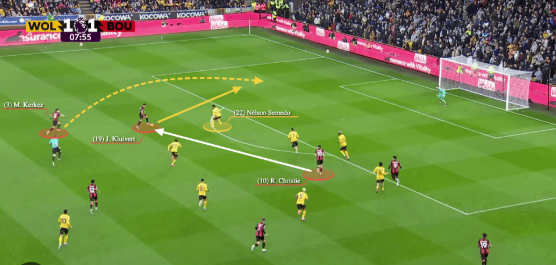

Bundesliga matches are built on sharp swings in tempo and space, and those swings create recurring windows where goals, corners, and cards become more or less likely than the pre‑match odds suggest. By breaking the game into phases and linking each phase to data patterns, you can turn a chaotic 90 minutes into a sequence of repeatable betting scenarios instead of isolated hunches.
Why Game Rhythm Matters More Than Just League Averages
League-wide numbers show that the Bundesliga averages a goal roughly every 28 minutes, with 542 goals in 168 games, but those goals do not fall evenly across the clock. Many sides accelerate after turnovers, presses, or score changes, generating bursts of shots rather than a steady flow, so betting based only on full-time goal averages misses when risk truly spikes. Once you map which minutes tend to be event-heavy for given teams, in-play decisions about totals, next goal, or corners become tied to structure instead of emotion.
How Bundesliga Tactical Trends Shape Betting Windows
Current tactical analysis describes the Bundesliga as a laboratory for vertical football, with fast transitions and aggressive counter-pressing now standard across several clubs. Bayer Leverkusen’s 4–3 at Mainz and 6–0 over Heidenheim, cited as models of “controlled chaos,” showed how early goals plus relentless forward pressure can keep a match open long after most leagues would settle. At the same time, hybrid back-three/back-five systems at Freiburg, Dortmund, and others toggle between compact low blocks and wide attacking shapes, meaning game rhythm flips quickly when possession changes hands.
Reading Game Phases Through Key Match Statistics
Bundesliga stats highlight just how intense the average game is: roughly 26 total shots per match, with home sides averaging slightly more possession and goals than visitors. This intensity produces distinct game phases: controlled buildup with limited shots, chaotic transition periods with multiple attempts in short bursts, and late periods where tired legs open extra space. For betting, the cause–effect is clear: more high-intensity transition phases usually correlate with higher goal and corner counts, while extended spells of slow circulation or well-organized mid-blocks point toward unders in shorter live windows.
To translate that into decisions, many bettors track three simple in-play indicators—shots in the last 10–15 minutes, turnovers in midfield areas, and defensive line height—before committing to over/under or “next goal” bets. If those metrics spike together, the probability of a goal in the next phase is materially higher than in a slow, low-turnover stretch, even if the full-time odds do not fully reflect that difference yet.
Typical Bundesliga Game Phases And Their Betting Implications
Across the 2025–26 season, tactical previews and match data suggest a few recurring phase patterns that matter directly for bettors.
Common Bundesliga phases include:
- High-energy first 15–20 minutes where pressing is fresh and vertical attacks are frequent, often generating early chances and corners.
- A mid-half control phase where teams recalibrate, particularly if an early goal has settled one side, leading to fewer shots but more structured possession.
- A pre‑half-time surge where pressing lines stretch again as both teams look to tilt the score, raising the risk of transitions and set-pieces.
- A second-half reset that can be either slow (if the favorite leads) or explosive (if the underdog chases), heavily influenced by substitutions and tactical tweaks.
- Final 15 minutes in which fatigue and game state dominate, often producing both late goals and cards when margins are tight.
For live bettors, the crucial interpretation is that each phase is associated with different expected shot and xG rates, so the same over 0.5 next‑goal line can be attractive in one phase and poor value in another, even at identical prices.
Using Team Profiles To Anticipate In-Game Opportunity Windows
Not all Bundesliga teams pass through these phases in the same way; some consistently push tempo, while others are more reactive.
A simplified profile comparison:
| Team archetype | Traits in game rhythm | Betting implications in-play |
| High-press, vertical (e.g. Leverkusen) | Frequent early transitions, sustained attacking even when ahead. | Early and mid-game overs, goal and corner volume stay high. |
| Compact, counter-attacking | Slow buildup, dangerous on turnovers, especially after opponent pressure rises. | Low xG stretches punctuated by sharp spikes; selective “next goal” bets. |
| Possession-focused controllers | Longer quiet spells, patient probing before late surges. | Unders viable in calm periods, late goals more likely once structure loosens. |
When you match these archetypes against each other, certain fixtures are more likely to swing between chaos and control at predictable times, which can be exploited with staged entries into the market rather than all‑in pre‑match positions.
Data-Driven Betting: From Game Phases To Actual Bets
A data-driven approach starts with pre‑match expectations from xG, shot and goals stats, then updates them dynamically as game phases unfold. FootyStats notes that both teams score in 57 percent of Bundesliga matches and clean sheets occur in 48 percent of games, indicating that open exchanges and defensive shutouts both occur frequently—but usually in different tactical contexts. Live bettors can refine BTTS or next‑goal bets by checking whether both sides are entering their preferred attacking phase simultaneously or if one is stuck in a low-tempo shell.
For example, a match where a vertical side falls behind early can see an extended stretch of pressure and high shot volume as they chase the game, making overs or “team to score next” more attractive than pre‑match models implied. Conversely, if that same team scores first and then shifts into a more conservative hybrid shape, continuing to pile into overs purely on reputation underestimates how much their game rhythm has cooled.
Interpreting Odds Movements Across Live Markets
Odds providers incorporate both numbers and tactical impressions when adjusting lines mid-game, but they differ in how quickly they respond to subtle phase shifts. Some outlets react strongly to goals and red cards but more slowly to rising transition intensity or escalating corner counts, leaving brief windows where the live price lags behind the on‑pitch risk profile. Careful in-play bettors watch not only the main goal line but also derivative markets—corners, cards, and player shots—to see which have moved proportionally and which still reflect earlier, calmer phases.
Within this evolving environment, it is common for methodical bettors to compare their live read with one or two reference operators before committing funds. When a prominent online betting site such as สล็อต ufa168 shows more conservative line movements than others during an obviously chaotic phase—say a stretch with multiple quick shots and turnovers in advanced zones—that mismatch can signal a potential edge for those confident that their phase-based interpretation better reflects the current risk than the slower-moving prices on display.
How To Avoid Common Pitfalls In Game-Rhythm Betting
Misreading game phases usually stems from overvaluing short bursts or ignoring context. A couple of half-chances in quick succession can feel exciting but may not change the underlying structure if one side remains pinned deep and comfortable defensively. Similarly, fans often underestimate how quickly fatigue, substitutions, and small tactical tweaks can shift a match from end-to-end to cagey, making it dangerous to assume that a wild first half guarantees another 45 minutes of the same tempo.
Another pitfall is treating every Bundesliga fixture as inherently “high-event” because of the league’s overall attacking reputation. While many games do produce considerable shot and goal volume, others—especially involving relegation-threatened or structurally cautious teams—follow much flatter rhythms, where unders and selective markets on late events can carry more value than constant exposure to overs.
Where Game-Phase Analysis Fits In A Wider Gambling Context
Game-rhythm analysis is only one layer in a broader betting ecosystem that also includes longer-term models, psychological discipline, and alternative products. Its strength lies in turning live observation into structured triggers, so Bundesliga matches feel less like pure volatility and more like repeated patterns you can learn to recognize over time. Yet those patterns still sit inside a probabilistic world, meaning that even the best phase-based read can be undone by a deflection, a mistake, or a rare finishing streak, which is why bankroll management and diversified positions remain essential.
For bettors who also operate within multi-product environments where football sits alongside a broader casino online website, distinguishing between skill-based, information-rich decisions and games governed largely by fixed house edges becomes important. Treating Bundesliga rhythm analysis as a long-run, edge-hunting exercise rather than an adrenaline outlet helps keep expectations realistic and prevents tactical insights from being drowned out by the short-term emotional swings that any 90-minute match can produce.
Summary
The Bundesliga’s high tempo, vertical attacks, and hybrid tactical shapes create distinct game phases where risk and opportunity fluctuate far more than full-time averages alone suggest. By reading how specific teams shift between pressing, control, and transitional chaos—and comparing that with live odds and derivatives—bettors can focus their exposure on periods where their understanding of rhythm genuinely improves their edge. Used with discipline and context, phase-based analysis turns live Bundesliga betting from reactive guesswork into a structured, data-supported process that respects both the league’s volatility and the limits of any single model.