
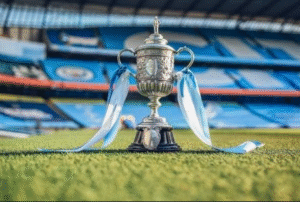
The FA Cup is the oldest national football competition in the world, first played in the 1871–72 season, and that history still shapes how games look and feel when you watch them today. Its open, knockout format brings together clubs from all levels of the English pyramid, so every round offers a different tactical puzzle, from lower-league direct play on tight pitches to elite sides trying to impose intricate possession structures under intense pressure. Understanding how that blend of tradition, format, and mismatched resources interacts on the pitch helps you read FA Cup ties in real time rather than seeing them as random upsets or one-off dramas.
Why the FA Cup’s Origins Still Matter When You Watch
The competition was launched by the Football Association in 1871 as a national knockout tournament, and its longevity makes it a reference point for “proper” cup football, with a deep archive of match styles to compare against. When you tune into a modern tie, you are implicitly measuring what you see—pressing intensity, build-up patterns, set-piece routines—against stories you have absorbed about mud-soaked replays, rearguard performances, and late winners from decades past. That historical backdrop pushes both players and coaches to treat the competition differently from a routine league game, which often translates into higher emotional stakes, braver game plans, and more extreme momentum swings on the pitch.
How the Knockout Format Alters Risk and Tactics
Because the FA Cup is straight knockout rather than a long league campaign, coaches often adopt more aggressive or more conservative approaches than usual, knowing that a single 90-minute performance defines their fate. Underdogs may commit to direct play, long throws, and set-piece overloads, accepting a low-possession, high-transition game because one chaotic spell can flip the tie. Favourites, on the other hand, must decide how much risk to take with rotated line-ups and high defensive lines, balancing their usual dominance with the need to manage unfamiliar conditions and highly motivated opponents.
Why Giant-Killings Happen and What to Look For
Classic FA Cup “giant-killings” typically combine three elements you can track live: a stylistic clash, superior execution of a simple plan by the underdog, and an elite side misjudging the game-state or environment. Lower-league teams often lean on compact 4-4-2 shapes, aggressive pressing in specific zones, and heavy use of a target man, forcing technically stronger opponents into physical duels, second balls, and awkward defensive decisions. When favourites struggle to adjust—fielding ball-playing defenders unused to aerial bombardment or midfielders who rarely face such direct pressure—the match can tilt visually long before the scoreline catches up, which is why watching the pattern of duels and territory matters as much as counting chances.
How Live Viewing Reveals the FA Cup’s Unique Match Flow
FA Cup ties often have distinct phases that do not always show up clearly in highlights, especially when an underdog grows into the game or a favourite panics after conceding. Over the first 20 minutes, you can usually see whether the lower-league side can sustain its pressing and physical intensity or whether the top team will eventually pin them back; this balance often flips once fatigue and nerve start to bite. Full-match viewing lets you track how often the ball is in the favourite’s defensive third, how many second balls the underdog wins, and how quickly the stronger side can re-establish control after setbacks—patterns that define classic FA Cup upsets far more than isolated goals.
The Wembley Final: Atmosphere, Pitch, and Tactical Choices
The modern FA Cup final at Wembley brings its own layer of complexity, because the scale of the stadium, the occasion, and even the pitch conditions can subtly influence tactical choices and execution. A huge, mixed crowd often produces long, tense spells in which players avoid risky passes, leading to conservative circulation and slower tempo until a key event—goal, big tackle, or controversial decision—releases the tension. Supporters and analysts regularly comment on how the size and feel of the Wembley pitch affect pressing and transitions, with some finals drifting into cagey long-ball battles as teams tire and avoid playing into central traps.
Why Watching FA Cup Ties Live Deepens Tactical Understanding
When you ดูบอลสด an FA Cup tie rather than just catching highlights, you can see how the emotional and tactical layers that come with the competition’s history build over time—especially in matches where a smaller club hosts a giant on a tight, noisy ground. Over 90 minutes you can observe how the underdog’s initial adrenaline-fuelled pressing either fades or becomes more intelligent, how the favourite adjusts its build-up to avoid risky zones, and how the crowd responds to every duel and loose ball in a way that shifts momentum on the pitch. That continuous feedback loop between stands and players rarely comes through in a short replay, but live viewing makes it clear why some teams ride waves of pressure to create sustained periods of high-quality chances, while others slowly lose shape and invite the very upsets the FA Cup is famous for.
How to Read an FA Cup Match in Real Time
Because FA Cup ties often feature unfamiliar pairings, it helps to use a simple observational structure rather than rely on reputation when judging how a match is unfolding. You can focus on one layer at a time—first environment and intensity, then basic shapes and pressing, then how each side adapts to game-state events like goals or red cards. Following the same checklist across ties turns each match into a comparative case study, letting you see whether a team is consistently handling the FA Cup’s unique demands or repeating the same structural mistakes.
- Start with the first 10–15 minutes: note pressing height, physical intensity, and whether the underdog looks overwhelmed or comfortable in duels.
- Then watch how each team builds from the back: are favourites forced long, or can they find midfielders between the lines under pressure from a direct 4-4-2?
- After the first major event (goal, big chance, halftime), look for clear tactical changes—shape tweaks, different pressing triggers, or the introduction of a target man or extra centre-back.
- In the final 20 minutes, focus on game-state behaviour: see whether the team leading drops off too early, concedes territory, or keeps pressing high and managing counter-attacks with a secure rest-defence.
If you apply this sequence across different rounds, you start to see recurring FA Cup patterns: favourites that handle early pressure calmly tend to grow into games and convert their technical edge, while those that react emotionally to physical battles or awkward pitches often fall into exactly the broken, transition-heavy matches that favour a shock result.
How the FA Cup’s Open Pyramid Shapes Styles and Match-Ups
The FA Cup’s openness to clubs across the top 10 levels of English football ensures constant stylistic clashes, because teams bring the habits and structures of their home divisions into the same 90-minute contest. A lower-league side accustomed to direct football, second-ball battles, and heavy crossing can force a Premier League opponent—used to higher technical standards and smoother pitches—into more duels and scrappier phases than they face most weekends. For viewers, this makes the FA Cup a laboratory for observing how different football cultures interact: you can see which possession-heavy teams can adapt their rest-defence and build-up to rougher conditions, and which crumble when dragged away from their usual rhythm.
How styles tend to differ by level
To get more from live viewing, it is helpful to have a rough mental map of how typical styles differ between the levels that often meet in FA Cup ties. While there are always exceptions, certain patterns recur often enough that you can use them as starting hypotheses when a top-flight side meets opponents from further down the pyramid. The table below summarises common traits and suggests what to watch when teams from different tiers collide.
| Club level context | Typical tactical tendencies in league play | How this often appears in FA Cup ties | What to watch for live |
| Premier League top teams | Structured build-up, high defensive line, complex pressing schemes. | Heavy possession but discomfort on tight, uneven pitches or against very direct attacks. | Whether they adjust line height, second-ball setups, and set-piece marking to new conditions. |
| Mid-table / lower Premier League | Mix of pressing styles, more direct when under pressure, reliance on transitions. | Can underestimate lower-league physicality and lose control in chaotic games. | How quickly they regain compactness after turnovers and whether midfielders track runners. |
| Championship / League One | Higher emphasis on direct play, crosses, and physical duels; varying tactical sophistication. | Often embrace chaos against bigger clubs, chasing set-pieces and long-throw situations. | Which zones they target with long balls and how consistently they win first and second contacts. |
| Non-league clubs | Compact low or mid-blocks, simple attacking patterns, heavy set-piece focus. | Deep defending with occasional surges forward, playing for moments rather than sustained control. | Defensive organisation in the box, goalkeeper command of high balls, and timing of counters. |
When you know these tendencies, you can interpret FA Cup ties more clearly in real time: if a top team keeps losing aerial duels and letting the game turn into a second-ball battle, you can see the upset developing well before the scoreline, while a lower-league side that cannot win its usual physical contests is likely to fade even if the match starts evenly.
Summary
The FA Cup’s status as the oldest national ดูบอลออนไลน์ฟรี goaldaddy competition and its open, knockout design create match dynamics that differ sharply from normal league games, shaping everything from risk-taking to pressing styles. When you watch ties live, you can see how history, environment, and mismatched resources combine to produce giant-killings, cautious Wembley finals, and tactical clashes that look chaotic only if you ignore the underlying structures. By focusing on pressing heights, build-up under pressure, second-ball battles, and game-state reactions across the full 90 minutes, you can read FA Cup matches in a way that honours the competition’s tradition while making sense of its most dramatic results.